
Probate vehicle valuation, storage and sale
Independent valuations, DVLA paperwork, recovery, insured storage and open-market sale on the estate’s behalf. Every vehicle is valued and documented before any sale route is chosen, so the estate always has an independent figure to measure the outcome against.
Vehicles
81 vehicles in workflow
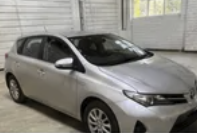
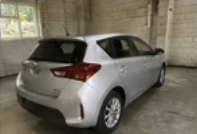
An independent valuation is not a purchase offer
When the company valuing an estate vehicle is also the company buying it, the “free valuation” is an opening bid. The buyer sets the price, and the estate has no independent figure to test it against.
We separate the two. The valuation is documented first, independently of any sale, and only then does the executor choose the route. Higher-value vehicles go to the open market on the estate’s behalf, with commission agreed in advance and the net proceeds paid to the estate. For a lower-value vehicle, where recovery, storage and sale costs would swallow much of the price, a fast direct purchase often leaves the estate with more, and the offer sits alongside the documented valuation so the executor can see exactly what is being traded for speed and certainty.
That distinction matters because executors are personally accountable for the value of estate assets, to the beneficiaries and, where inheritance tax is due, to HMRC.
A named, accountable partner
Prospect PS Ltd is a UK registered company trading since 2011, with a published address, named team and a Corporate Partnership with the Institute of Legacy Management. Who you are dealing with should never be a mystery.
Valuation separate from sale
Open-market value documented before any decision to sell, so the estate always has an independent figure.
The right route for the vehicle
Open-market sale on the estate’s behalf for higher-value vehicles; a fast, documented direct purchase where sale costs would eat a modest one. The executor chooses, valuation in hand.
Documented for IHT and estate accounts
Photographed inspections and itemised statements that reconcile with schedule IHT407 and the estate accounts.
One instruction, one record
Vehicles are handled inside the same case record as the property, contents and clearance, not as a side deal.
From driveway to estate accounts, in seven documented stages
Every estate vehicle moves through the same staged workflow in our case management platform, so the executor and solicitor can see exactly where it is and what happens next.
1. Logged at inspection
Every vehicle found at the property is recorded during our initial inspection: photographs, registration, make and model, mileage, VIN, condition, keys and V5C status. It enters the estate record before anything is moved.
2. Independent valuation
We document open-market value, with condition and running order assessed. Classic, collectible or unusual vehicles are flagged for specialist appraisal rather than priced as trade stock.
3. Executor decision
Open-market sale, fast direct sale, retain, return to family, or scrap. The valuation and the options go to the executor or solicitor first. Nothing moves without a documented instruction.
4. Recovery & insured storage
Where the property must be cleared, or the vehicle cannot stay insured where it stands, we arrange recovery and secure, insured storage with costs logged to the case.
5. DVLA & paperwork
Support with DVLA notification, the V5C, SORN where appropriate, and cancelling vehicle tax so any refund of full remaining months returns to the estate.
6. Sale or disposal
Higher-value vehicles are sold on the open market on the estate’s behalf, with commission agreed in advance. Lower-value vehicles can be purchased directly for a fast, certain outcome, always against the valuation already on file. Where a vehicle is scrapped, disposal is documented through an authorised facility.
7. Paid & closed
Sale proceeds are accounted to the estate with a net-to-client statement: sale price, commission and fees itemised, so the figure reconciles with the estate accounts.
Vehicle handling as part of the estate instruction
Vehicles are identified and logged during the same initial inspection that secures the property, so nothing is missed and nothing is moved before it is recorded.
From there, valuation, paperwork, storage and sale run inside the same case record as the rest of the estate, with deferred payment available until funds are released.
Get in TouchIncluded in the vehicle service
What executors need to know about a vehicle in an estate
Telling the DVLA
The DVLA must be notified when a vehicle’s keeper dies. The government’s Tell Us Once service covers this in most cases; otherwise the V5C is returned to the DVLA with a covering letter. We support executors and solicitors through this paperwork as part of the instruction.
Insurance ends sooner than people think
Motor insurance often lapses or is cancelled when the policyholder dies. A vehicle kept on the road must be insured or declared off-road with a SORN, even if nobody intends to drive it. Checking cover is one of the first things we do when a vehicle is found at an estate property.
Vehicle tax does not transfer
Vehicle tax ends when the DVLA is told of the keeper’s death, and a refund of any full remaining months is paid to the estate. Anyone who takes the vehicle on, including a beneficiary, must tax it again before using it.
Valuing the vehicle for inheritance tax
HMRC expects open-market value at the date of death. Where a full inheritance tax account is required, vehicles are reported with household and personal goods on schedule IHT407. An instant cash offer from a buyer is not evidence of open-market value; an independent, photographed valuation is.
Selling before the grant
Unlike the property itself, a vehicle can usually be sold before the grant of probate where there is a will, because executors’ authority comes from the will. Without a will, administrators generally need letters of administration first. In both cases, document the value before the sale.
Choosing who to trust with an estate vehicle
Before instructing any vehicle service, check who they are: a registered company name and number, a published address, and named people. Then ask one question: does a documented valuation exist before any offer is made? If the only figure the estate ever sees is the buyer’s own offer, there is no independent check on value. Whoever handles the vehicle, the valuation should be on paper first, whichever sale route the executor then chooses.
Classic, collectible or unusual vehicles
These are the vehicles with the widest gap between a trade cash offer and true open-market value. We flag them at inspection and refer them for specialist appraisal and, where appropriate, specialist or auction sale, so the estate receives what the vehicle is actually worth.
Discuss a VehicleFrequently asked questions
The vehicle becomes part of the estate. The DVLA needs to be told, insurance cover needs checking straight away, and the vehicle should be valued at its open-market value at the date of death before any decision to sell, keep or scrap it. We handle each of those steps as part of the estate instruction, with every action documented.
A vehicle in the estate? Handle it properly, once.
Independent valuation, DVLA paperwork, storage and the right sale route for the vehicle, all documented in one case record alongside the property itself.