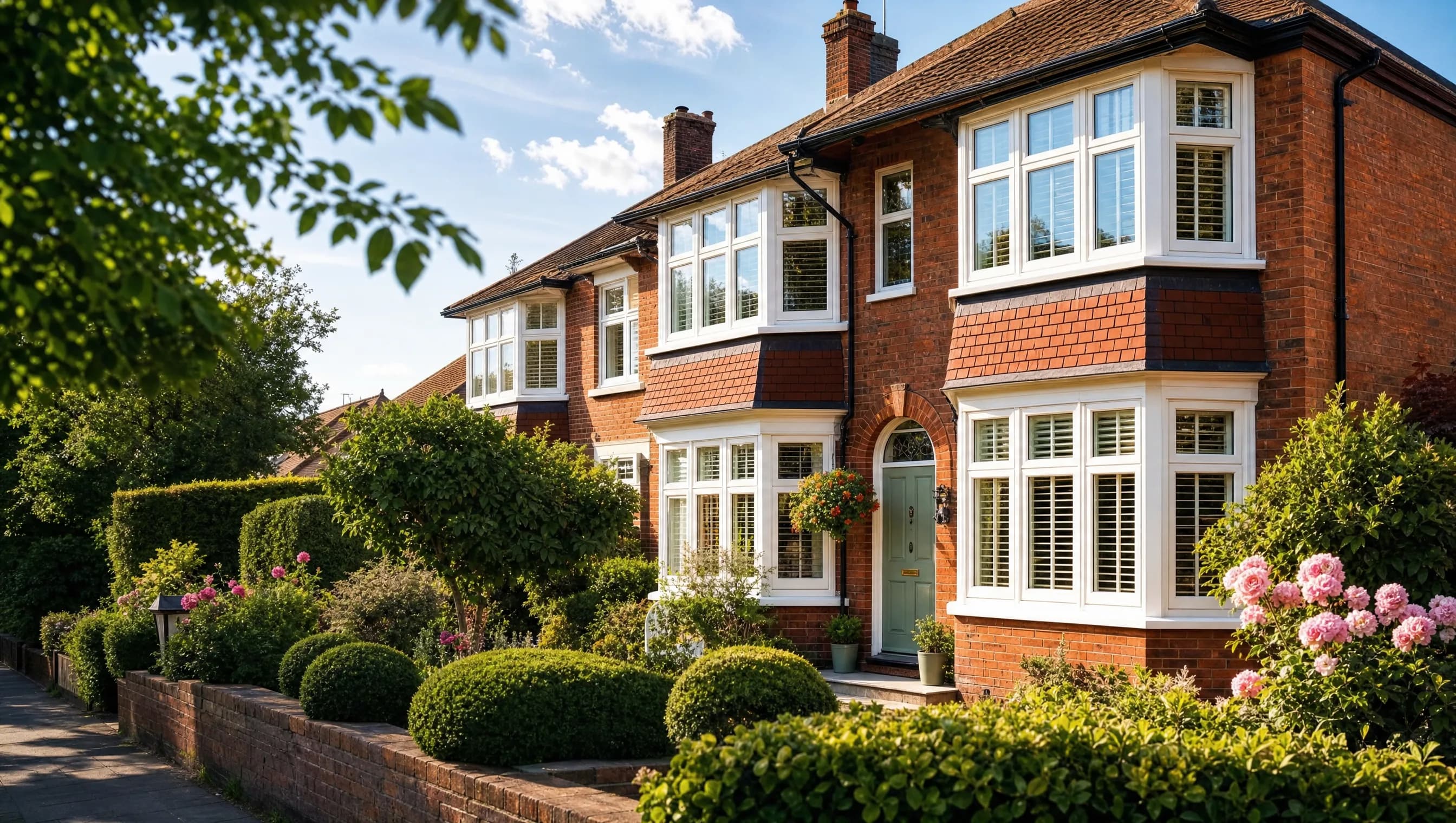
Housing association stock: Where standard processes stop working
Every association carries a small amount of stock that does not fit the normal model: complicated histories, legal questions, sensitive endings. It is where the cost and the exposure concentrate, and where standard management is the wrong tool.
A housing association's core business is managing tenancies and maintaining stock, and for the great majority of its properties the normal model does that well. There is a smaller category the normal model was never built for, and most associations are not set up to handle it. These are the properties I get called about, and they are rarely the ones anyone planned for.
The category is easy to describe and hard to process: stock with a complicated history, properties inherited or acquired with legal questions still attached, homes where a tenancy ended in circumstances that were sensitive or contested, and assets that need work before they can re-enter the normal housing cycle at all. In each case the tools that serve standard stock management well are the wrong ones to reach for, and reaching for them anyway is where the trouble starts.
The stock that does not fit the model
Every association of any size carries some proportion of stock that is not straightforwardly managed. The reasons vary.
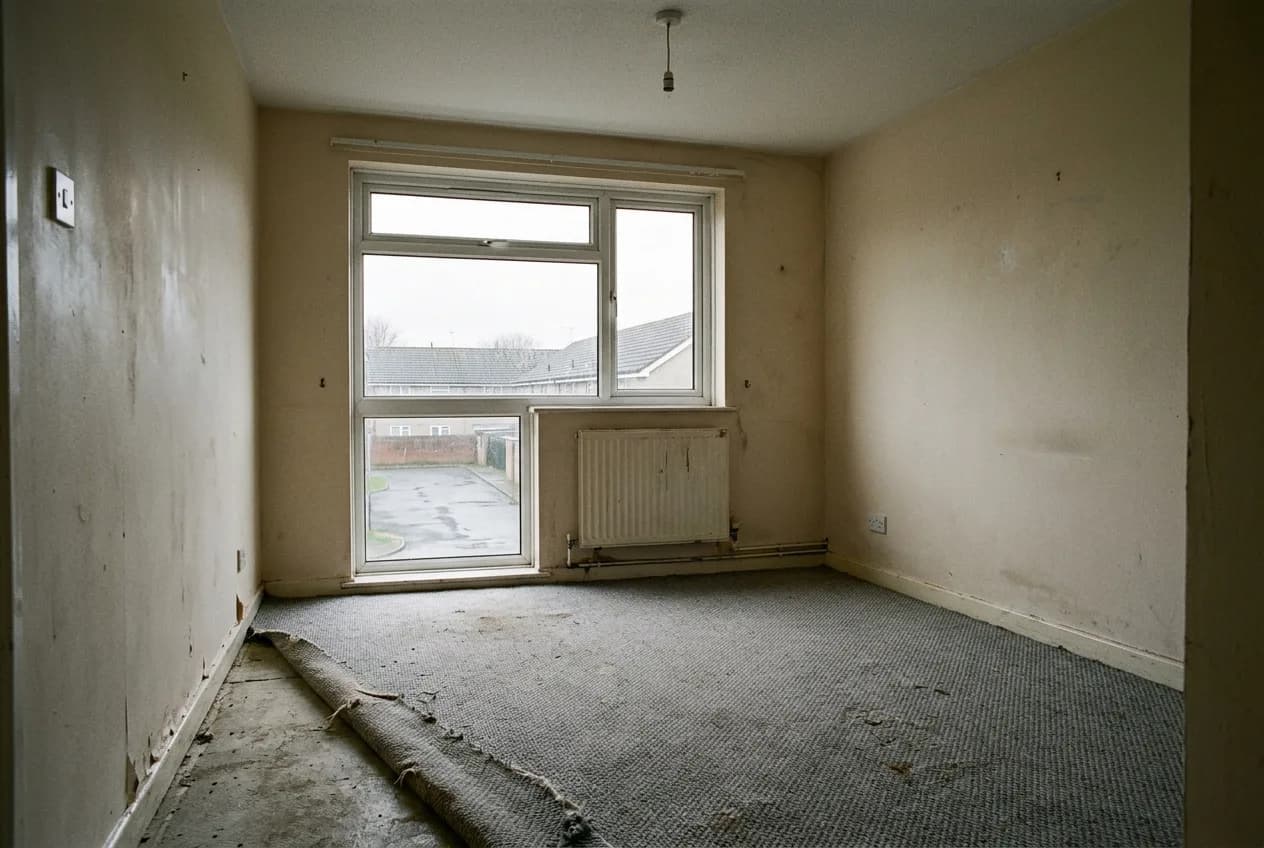
A long-standing tenant dies with no clear next of kin, and the property stands empty while the estate is administered, the personal possessions still inside it because nobody yet has the authority to clear them. A home stands empty long enough to fall into disrepair, so it needs remediation before it can be used again. Stock comes across in a transfer or a regeneration programme carrying condition or title questions that were never fully closed when it changed hands. A tenancy ends in circumstances involving a vulnerable person or a safeguarding concern, where the right way to re-enter and manage the property is not the way a standard procedure would tell you to.
None of these are unusual. Every association has some of them on the books at any time. What they have in common is that they have stepped outside the process that would otherwise carry them, and that they need an approach the internal teams and standard contractors are not set up to deliver.
I want to be careful not to overstate the scale. This is a small share of an association's stock, not most of it. But it is the share where the cost concentrates and the exposure sits, precisely because it is the part the normal model is not built to watch.
What this stock actually needs
The difference here is not capability. Associations have capable maintenance teams and capable contractors, and for ordinary stock they are the right answer. What complicated stock needs is a particular combination of care, compliance, documentation and accountability that ordinary management is not set up to provide.
A property where the tenant has died and possessions remain has to be entered and dealt with carefully, with a proper record of what was found and what was done with it, in a way that reflects the legal position of the estate. That is not an ordinary clearance, and a contractor's informal notes will not stand up if the estate or a beneficiary later asks the question. A property with a contested history or a live legal dispute needs an audit trail that supports whatever process is running, not a set of variable updates from whoever attended that week. A home that has stood empty long enough to deteriorate needs an honest condition assessment and documented oversight of the work that follows, not a reactive call-out when something is finally noticed.
This is the same chain-of-custody discipline I wrote about in the piece on vacant property security: who holds the keys, who attended, what condition the property was in, all of it dated. On ordinary stock it is good practice. On the complicated stock it is the difference between a defensible position and an argument the association cannot win.
The record the regulator now expects
For a long time this could be treated as an internal matter. Since April 2024 it cannot.
The Regulator of Social Housing's Safety and Quality Standard expects a landlord to hold an accurate, up-to-date and evidenced understanding of the condition of all its homes, and it backs that expectation with proactive inspection. The property that has sat outside active management for months is exactly the one a landlord may struggle to describe with confidence, and "we did not have current eyes on it" is a difficult thing to say to a regulator that now turns up to check.
The condition bar is not trivial even for occupied stock. The English Housing Survey put 10% of social rented homes below the Decent Homes Standard in 2023, the lowest of any tenure and still one home in ten. A property that has been deteriorating unattended is in a worse position than that figure suggests, and it is the one least likely to have a current record behind it. Awaab's Law, in force for social landlords since October 2025, makes the related point that a hazard does not wait for the property to come back into use. A defect that advanced quietly through an empty winter becomes someone's problem against a statutory clock.
What we find when we attend
I will not overclaim, because most empty homes, most weeks, are fine. The ones that go wrong tend to be the ones that fell outside the process.
We have taken over association properties where the gas had not been capped and the heating had been left running through a winter. We have attended homes where the locks were never changed after a tenant died and an unknown number of keys were still in circulation. We have walked into properties where a deceased tenant's belongings were still in place many months on, because the clearance sat in the gap between the housing team and the estate and nobody had decided whose job it was. None of this is exotic, and none of it reflects a failing team. It is what happens when a property that needed a different approach was handled, or left, as though it were ordinary stock.
This is adjacent to the ground councils are being pushed onto with private empty homes, which I covered in the empty-homes enforcement piece. The difference for a registered provider is that the property is its own asset and its own regulatory responsibility at once, so the cost of getting it wrong lands closer to home.
A stake in the ground
The stock that falls outside the normal model is not the stock to leave to the normal model. It is the part that most needs a managed approach: secured properly, attended on a known schedule, condition recorded and dated, possessions and clearance handled with regard to the legal position, and the whole of it documented to a standard that holds up if it is ever questioned. That work runs from first attendance through to the point the property can re-enter the normal housing cycle, whether that means letting it again or selling it. Treating the complicated stock as though it were ordinary stock is where the avoidable problems start, and they are avoidable.
I would be interested to hear from housing association asset managers and empty-homes leads on this. Whether you recognise this category from your own portfolio, or whether you have an approach that keeps it properly managed where I have seen others let it drift. You can find me at [email protected] or on LinkedIn.
At Prospect PS we manage this kind of property in-house, from securing and clearance through to the condition record and disposal, because the stock that sits outside the normal model is the one that most needs the work documented.

Managing Director, Prospect PS Ltd
David Halliwell is Managing Director of Prospect PS Ltd, a UK property management company working with solicitors, professional deputies, insolvency practitioners, and local authorities. Prospect PS provides end-to-end property management for probate, Court of Protection, insolvency, LPA receivership, and local authority empty homes across England and Wales. Every case is managed in-house to a consistent standard, with all contractors vetted for compliance and security before they enter a property. Reporting is AI-driven, producing a structured, timestamped record from first instruction to final disposal.