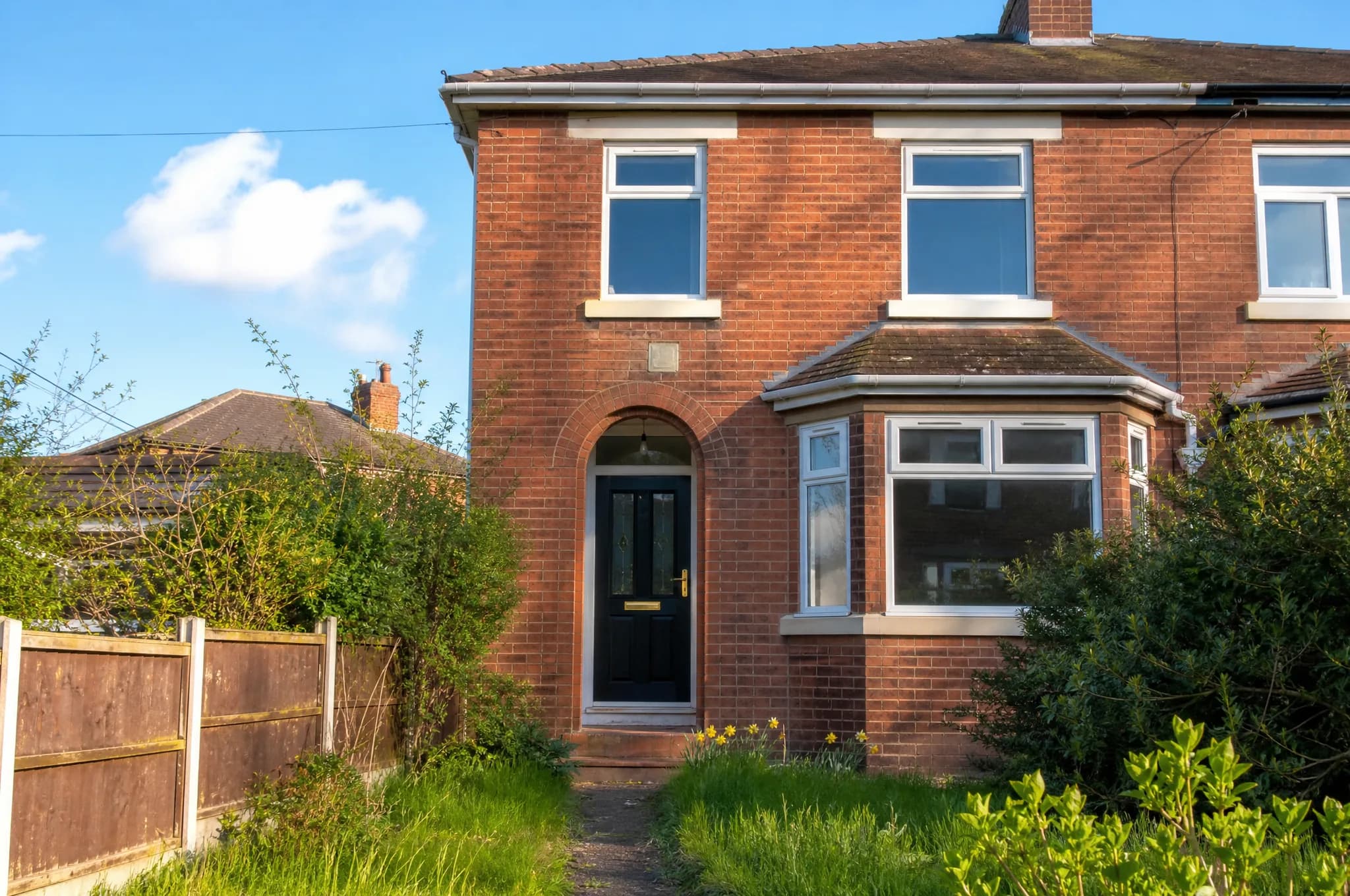
Vacant and unsecured: The risk professional appointees are still carrying
An empty property with an unknown number of keys in circulation is not secured, whatever the insurance schedule says. What a defensible security position looks like on a professionally held vacant property, and why the key count is the place to start.
A question for anyone holding a professional appointment with an empty property on the file. How many keys to that property exist, and who is holding them?
I ask because in fourteen years of attending vacant properties I have rarely seen a file that could answer it. There is usually a cleaner who had one, and a neighbour who took one the day the ambulance came. A son abroad is fairly sure his is in a drawer somewhere. An estate agent still holds one from a marketing exercise that ended two years before the death. None of it is written down anywhere, and every one of those keys stays in circulation while the appointee carries responsibility for the asset.
This piece is about the gap between a property being insured and a property being secured. The two get treated as the same thing on professional files. They are not the same thing, and the difference tends to surface at the worst possible moment: after something has happened, when an underwriter starts asking how entry was gained.
Nobody counted the keys
When we attend a property for the first time, the key question is the first thing we deal with and the last thing anyone instructing us has thought about. We have collected keys from under plant pots exactly where the family said they would be, available to anyone who had ever watched the owner come home. We have attended properties months after a death where a former lodger's key still turned the lock.
Most unoccupied property insurance policies carry security conditions: final-exit doors locked to BS3621 (the British Standard for thief-resistant locks, the five-lever mortice deadlock the policy wording means when it says "approved locks"), key-operated window locks, in some cases an alarm requirement. These are usually written as conditions precedent, and they interact badly with an uncontrolled key population. Theft cover on unoccupied property typically responds to entry involving force and violence. An intruder who lets themselves in with the cleaner's key has used neither. The claim can fail at the first question, and the appointee is left explaining to beneficiaries or creditors why the largest asset on the file was open to anyone holding a key nobody knew existed.
Against that, the control is almost embarrassingly cheap: a locksmith on first attendance, and a written record of how many keys now exist and who holds them. I wrote about the wider insurance position in an earlier piece in this series; the 30-day unoccupancy cliff in most household policies is what puts the property onto unoccupied terms in the first place. The key log is the part of that regime files most often skip.
What the law does about intruders, and for whom
Since September 2012, squatting in a residential building has been a criminal offence under section 144 of the Legal Aid, Sentencing and Punishment of Offenders Act 2012, with a maximum of six months' imprisonment. The police can arrest and remove. On paper, a squatted probate house is a criminal matter from the moment it is discovered.
In practice, the response varies a lot. The offence requires the person to have entered as a trespasser and to be living in the building, or intending to live there. An officer on a doorstep faced with someone producing a tenancy agreement of uncertain provenance will often be cautious about adjudicating that on the spot, and a force triaging live burglary calls will not always treat an empty probate house as urgent. The criminal backstop is real, and I would not want to overstate how quickly it operates.
It also only covers residential buildings. For commercial premises the offence does not apply at all. The warehouse in a trading insolvency, the vacant shop unit, the yard full of portable buildings, the office floor the company never reoccupied: the route there is civil, a possession claim or an interim possession order, with court fees and weeks of elapsed time while the occupiers live or trade inside the insured asset. For insolvency practitioners this lands on top of every other cost of an empty property, which I set out in the vacancy clock piece.
The window where the risk actually sits
Each appointee type inherits a structural window where the property sits empty and unmanaged, and where several people outside the file know it.
For executors it is the period between the death and the grant, which on current Probate Registry timescales is measured in months. For deputies it is longer. I wrote about the deputyship application window earlier in this series: four to twelve months between an application going in and the order coming back, during which the person who used to look after the house no longer can, and the person who will look after it has no authority yet. For office-holders it is the day of appointment itself, when an IP inherits property they have never seen, on terms nobody alive can fully describe.
The regulatory expectation does not pause for any of this. The OPG's deputy standards expect a deputy to secure and insure the protected person's property, and Court of Protection visitors refer to those standards on assurance visits. The SRA's position on probate files runs the same direction: an estate property is estate money, and a firm that would never leave £300,000 sitting in an unwatched client account will routinely leave £300,000 of brick and roof with the locks unchanged and the key count unknown.
Empty properties also advertise themselves. Post piles up behind the glass. The grass grows. Within a few weeks the house is telling everyone who passes that nobody is coming back, and the people who notice first are rarely the people the appointee would choose.
What secured should mean on a professional file
In my view, "secured" on a professional file should mean four things, each of them evidenced. Locks changed on first attendance, to the standard the insurance policy names. Key holders counted and recorded, so the file can say with confidence how many ways into the property exist. Inspections at the interval the policy actually specifies, which on unoccupied terms is typically every 7 or 14 days, recorded each time ("a neighbour keeps an eye on it" does not count, and I have seen it offered as the inspection regime more often than I would like). And the whole lot dated on the file, because evidence assembled after an incident is worth a fraction of evidence assembled before one.
I want to be careful not to overclaim here. A BS3621 lock will not stop a determined intruder, and no inspection interval prevents the break-in that happens the night after the visit. What the regime changes is the file's position afterwards. Forced entry through a changed lock engages the policy and shows the appointee did what a prudent owner would have done. Entry by key, through a lock nobody changed, invites the underwriter, and eventually the beneficiaries, to ask questions the file cannot answer.
A stake in the ground
A vacant property with an unknown number of keys in circulation is not secured, whatever the insurance schedule says. An appointee who cannot say when the locks were last changed or how many key holders exist is carrying an unpriced risk on the file, and it stays unpriced until the day something happens. The fix costs an hour of a locksmith's time and a page of record-keeping, applied on day one rather than after the first incident.
I would be interested to hear from solicitor executors, professional deputies, insolvency practitioners and the firms that instruct them on this. Whether you recognise the key problem from your own files, or whether you have an instruction-stage protocol that handles it better than what I have described here. You can find me at [email protected] or on LinkedIn.
At Prospect PS we change the locks and open the key log on first attendance, because security the file cannot evidence is security the file does not have.

Managing Director, Prospect PS Ltd
David Halliwell is Managing Director of Prospect PS Ltd, a UK property management company working with solicitors, professional deputies, insolvency practitioners, and local authorities. Prospect PS provides end-to-end property management for probate, Court of Protection, insolvency, LPA receivership, and local authority empty homes across England and Wales. Every case is managed in-house to a consistent standard, with all contractors vetted for compliance and security before they enter a property. Reporting is AI-driven, producing a structured, timestamped record from first instruction to final disposal.