Empty homes in deputyship: What the new OPG guidance says
The OPG's November 2026 guidance spells out the kind of conditions an empty property policy can carry and asks deputies to make sure they are met. What changed since 2023, and what to keep on the file.
The Office of the Public Guardian reissued its Deputy Standards on Monday 23 November. For professional deputies there is now a separate standards document and an updated guidance document, with the same pair for public authority and lay deputies in the full collection. For anyone holding a protected person's empty house, the change that matters is one new paragraph in the guidance.
The paragraph on the empty house
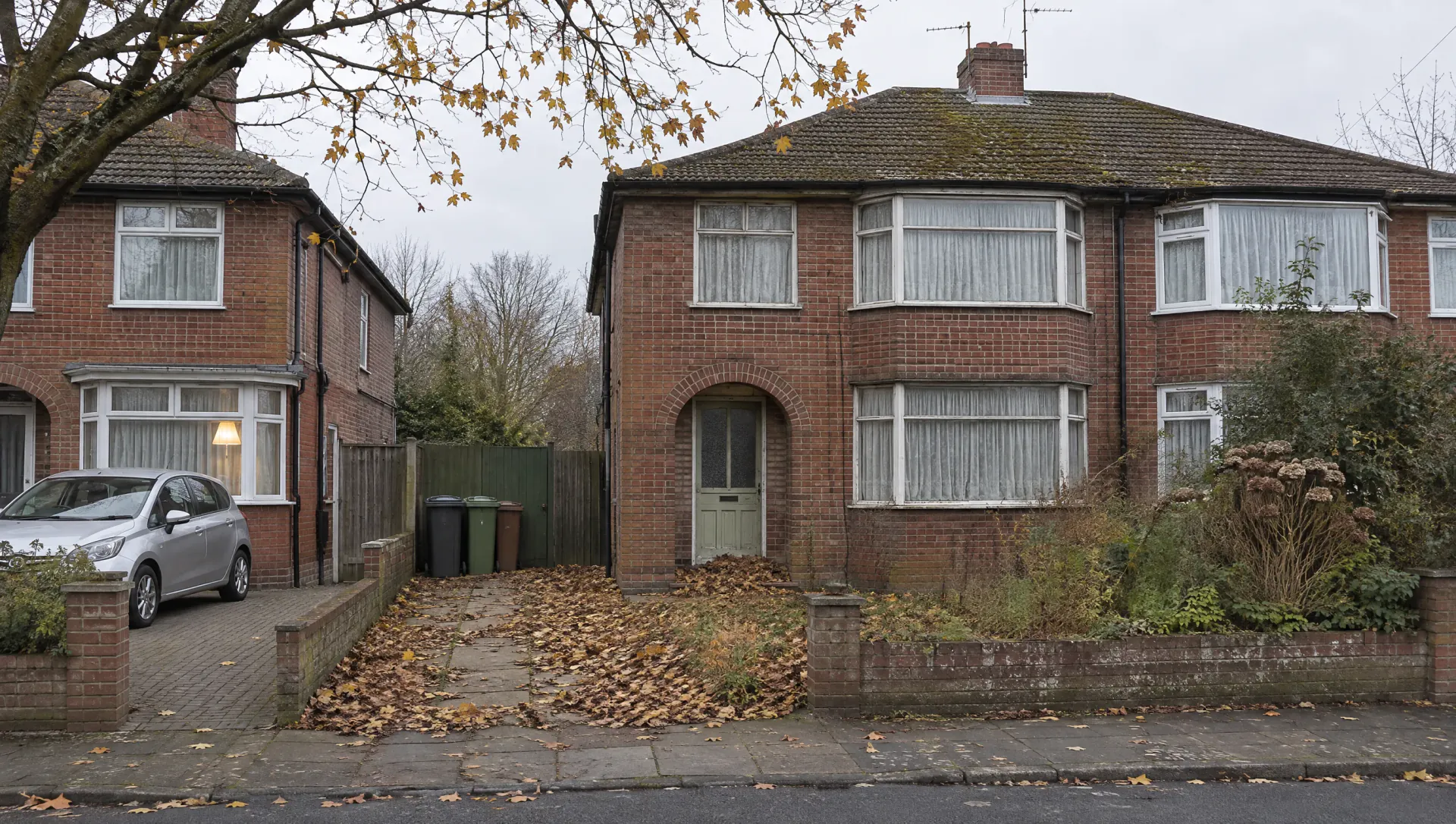
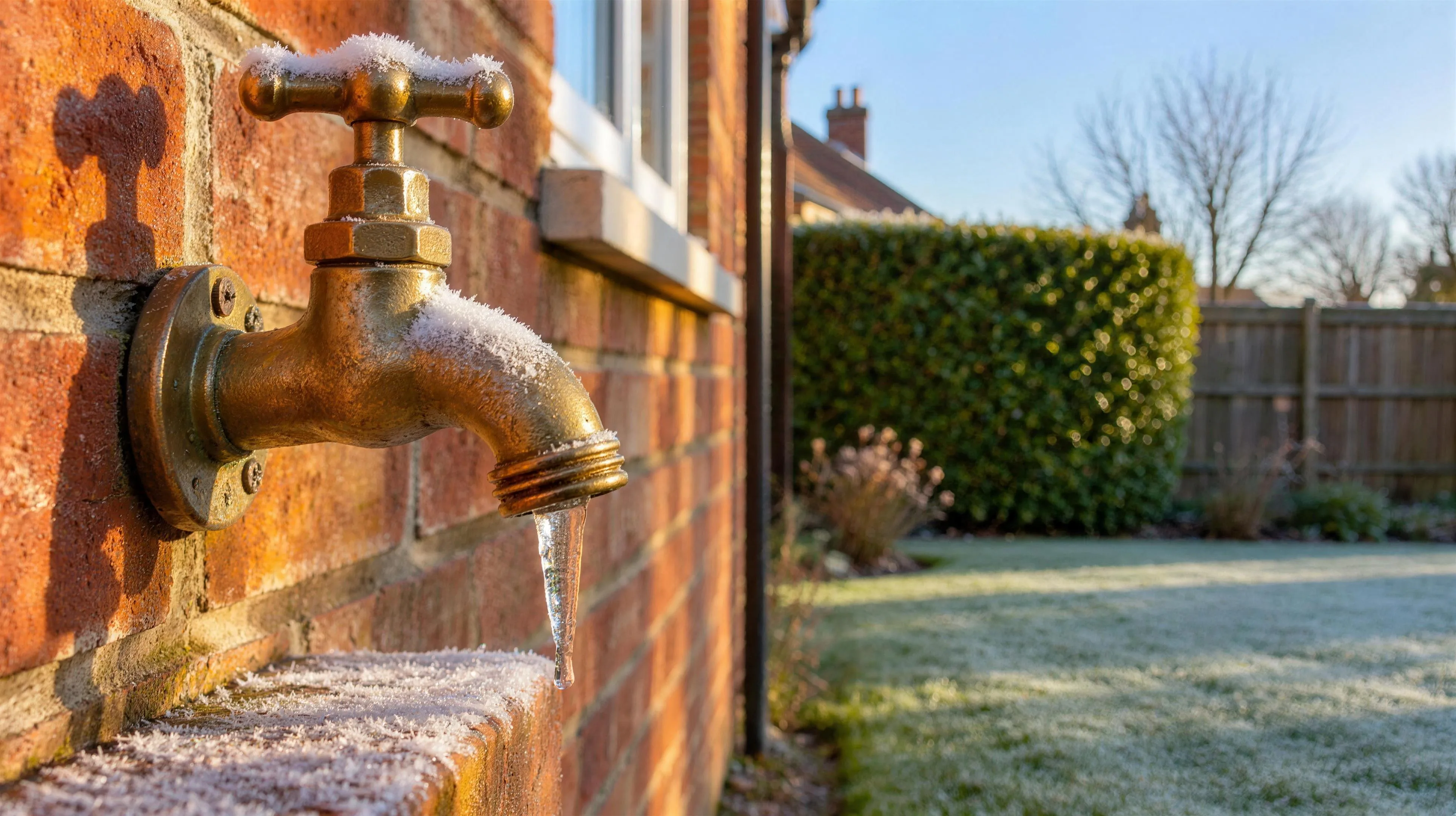
The guidance has a best practice section for a property the protected person no longer lives in. It now carries a heading, "Unoccupied property", and a paragraph that was not in the February 2023 text. If the house is empty, the deputy should make sure empty property insurance is in place. The guidance then says such policies can have onerous conditions, and gives examples: "heating / drain down requirements, regular inspections, record-keeping, maintenance of garden and removal of post". It finishes by saying the deputy should ensure the terms of the policy are complied with.
The change note says only that the guidance was updated in line with the new standards, so I read the new guidance against the 2023 text it replaced. The old guidance asked the deputy to have buildings and contents insurance and to be familiar with the terms. The new one names the kind of conditions the policy can contain and puts meeting them on the deputy.
About half of our work is for deputies, and most of it is the list in that paragraph: the visit the insurer asks for, the heating or drain-down decision before winter, the post lifted from behind the door, the garden kept from telling the street nobody is home, and a dated report with photographs at the end of each visit. Record-keeping is the item I would underline. An insurer deciding an escape of water claim may ask for the inspection record, and a visit nobody wrote up will not help the deputy. We have attended empty properties where nobody had been inside for months. I set out the insurer's side of this in the three clocks running on an empty property, and I have written separately about the gap between an insured property and a secured one. The new paragraph is the OPG describing that gap in its own words.
What stayed the same
The core requirements of Standard 6 are unchanged. Standard 6a still requires the deputy to make sure the property is secure and that appropriate insurance is in place, and its heading now reads "Protecting and maintaining". Standard 6b still ties any sale to best interests and to the authority in the order.
On a sale, the guidance still says the deputy needs authority in the order, and must sell at market value with at least three valuations where possible. One word has moved: consulting the protected person and the family before deciding to sell, where possible, was a "must" in 2023 and is now a "should". I have set out the limits on the decision to sell in an earlier piece.
What else is new for professional deputies
There is a new list of title checks: office copies of the title and plan, a check for restrictions and charges, a Mental Capacity Act restriction on the register, and HM Land Registry's Property Alert service. That is desk work for the first weeks of an appointment and I will leave it to the lawyers.
On contents, getting individual items valued and keeping specific bequests safe were already in the 2023 guidance. What is added is a check on whether the contents are sufficiently insured, and a prompt to consider taking valuable items such as jewellery or antiques into safe storage. Where the deputy has access to the will, the protected person's wishes for the property and its contents should be considered.
On contractors, there is a new line saying any contracted work done on the protected person's behalf should be carried out by a supplier with the appropriate regulated status and appropriate insurance. I wrote about what happens when that check is skipped in the piece on contractor liability. It is good to see the regulator say it.
On let property, the guidance now expressly tells the deputy to comply with the legal obligations that apply to a landlord, and gives examples. Before agreeing a deferred payment arrangement with a council, the deputy must check that the order gives authority to place a charge on the property.
What each version says
The guidance for public authority deputies gains the same empty property paragraph, examples included. The lay guidance has a shorter instruction: arrange appropriate empty property insurance and meet its terms.
| What the guidance asks | Asked of |
|---|---|
| Empty property insurance in place and its terms met | All three types of deputy |
| Examples of policy conditions given | Professional and public authority |
| A valuation of belongings where one is needed | Professional and public authority |
| Title checks and Property Alert | Professional only |
| Contractors' regulated status and insurance checked | Professional only |
| Authority for a charge checked before a deferred payment arrangement | All three types of deputy |
The public authority guidance also refers to section 47 of the Care Act 2014 and notes that social workers may carry out many of the actions. Both points were already there in 2023. Section 47 is a duty on the local authority to take reasonable steps to prevent or mitigate loss or damage to the movable property of an adult who is in hospital or in care accommodation, where no other suitable arrangements are being made. It concerns belongings. The deputy's duty to keep the house secure and insured comes from Standard 6a.
How much weight it carries
I want to be careful here. The empty property paragraph sits under best practice and is written in "should". The binding sentence is still Standard 6a, and the detail a deputy has to follow comes from the policy itself. The schedule and its conditions say how often the house must be visited and what has to be done before winter. The guidance tells the deputy to know those terms and meet them.
The standards do say how a deputy will be measured against them: through the annual report and, where the OPG looks closer, through assurance visits and case reviews. They ask deputies to be fully compliant with the OPG's expectations as set out in the standards and, where appropriate, the associated guidance. For a professional deputy who falls short, the OPG says it will consider applying to the Court of Protection for a discharge. Set that beside the way the OPG now reads property spending, and a case review that follows a burst pipe in an empty house has a published paragraph to read the file against.
A stake in the ground
The duty is the one deputies already carried: keep the property secure and insured. What is new is that the OPG has written down what meeting it can involve when the house is empty. For an empty house, keep the policy on the file, and beside it a dated record of what was checked at each visit, with photographs where they help show what was done. A deputy who has that can answer the insurer and the OPG from the file.
I would be interested to hear from professional deputies and council deputyship teams on this. Whether the new wording matches what your insurer already asks of you, or whether you have a way of evidencing those conditions that works better than what I have described here. You can find me at [email protected] or on LinkedIn.
At Prospect PS we inspect the empty house to the insurer's conditions and write up every visit, because the record is what the deputy will be asked for.

Managing Director, Prospect PS Ltd
David Halliwell is Managing Director of Prospect PS Ltd, a UK property management company working with solicitors, professional deputies, insolvency practitioners, and local authorities. Prospect PS provides end-to-end property management for probate, Court of Protection, insolvency, LPA receivership, and local authority empty homes across England and Wales. Every case is managed in-house to a consistent standard, with all contractors vetted for compliance and security before they enter a property. Reporting is AI-driven, producing a structured, timestamped record from first instruction to final disposal.