When a borrower defaults: Who is actually looking after the property
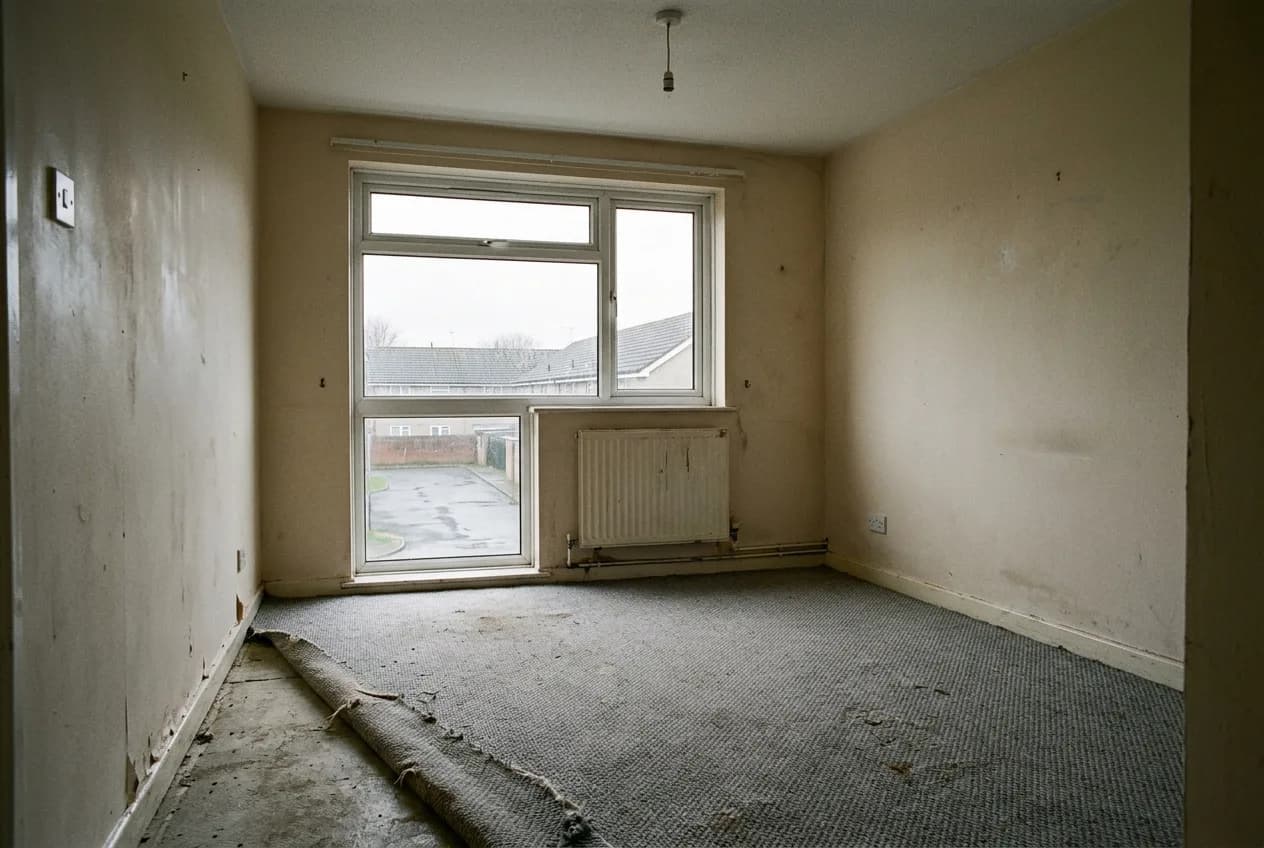
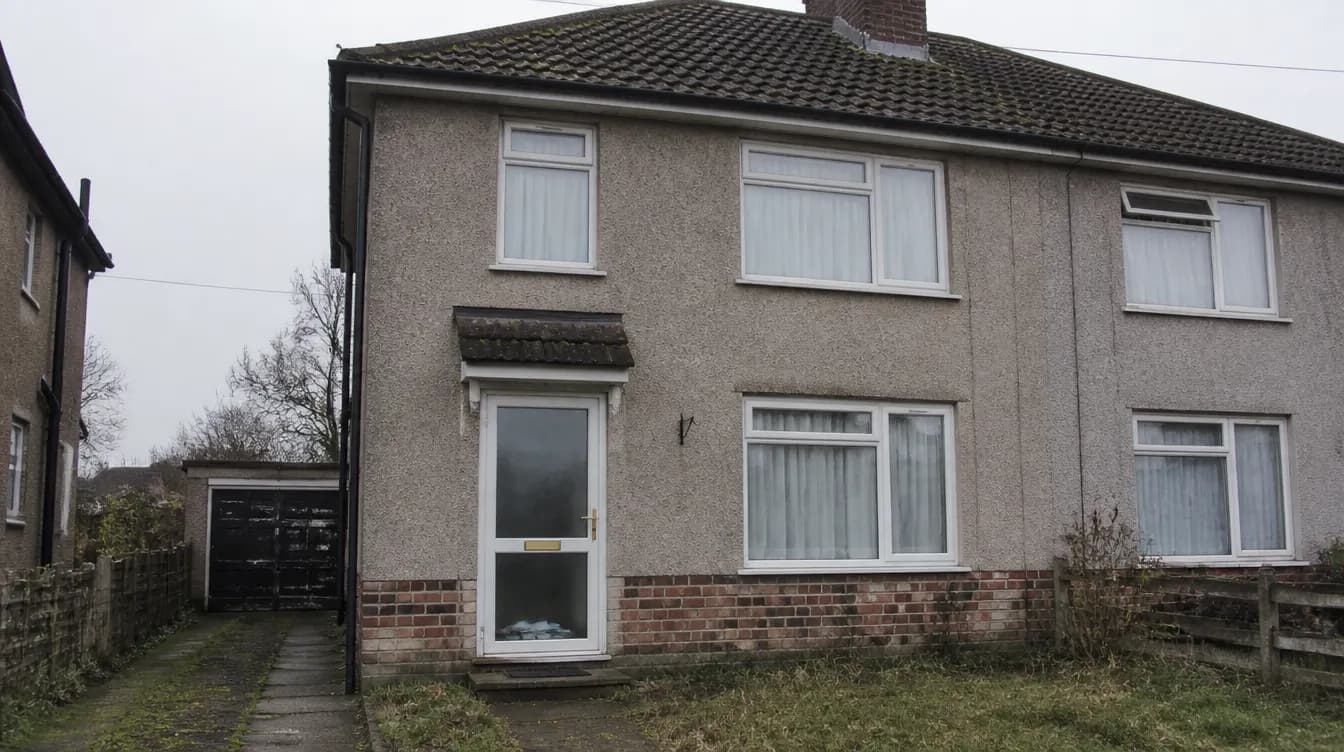
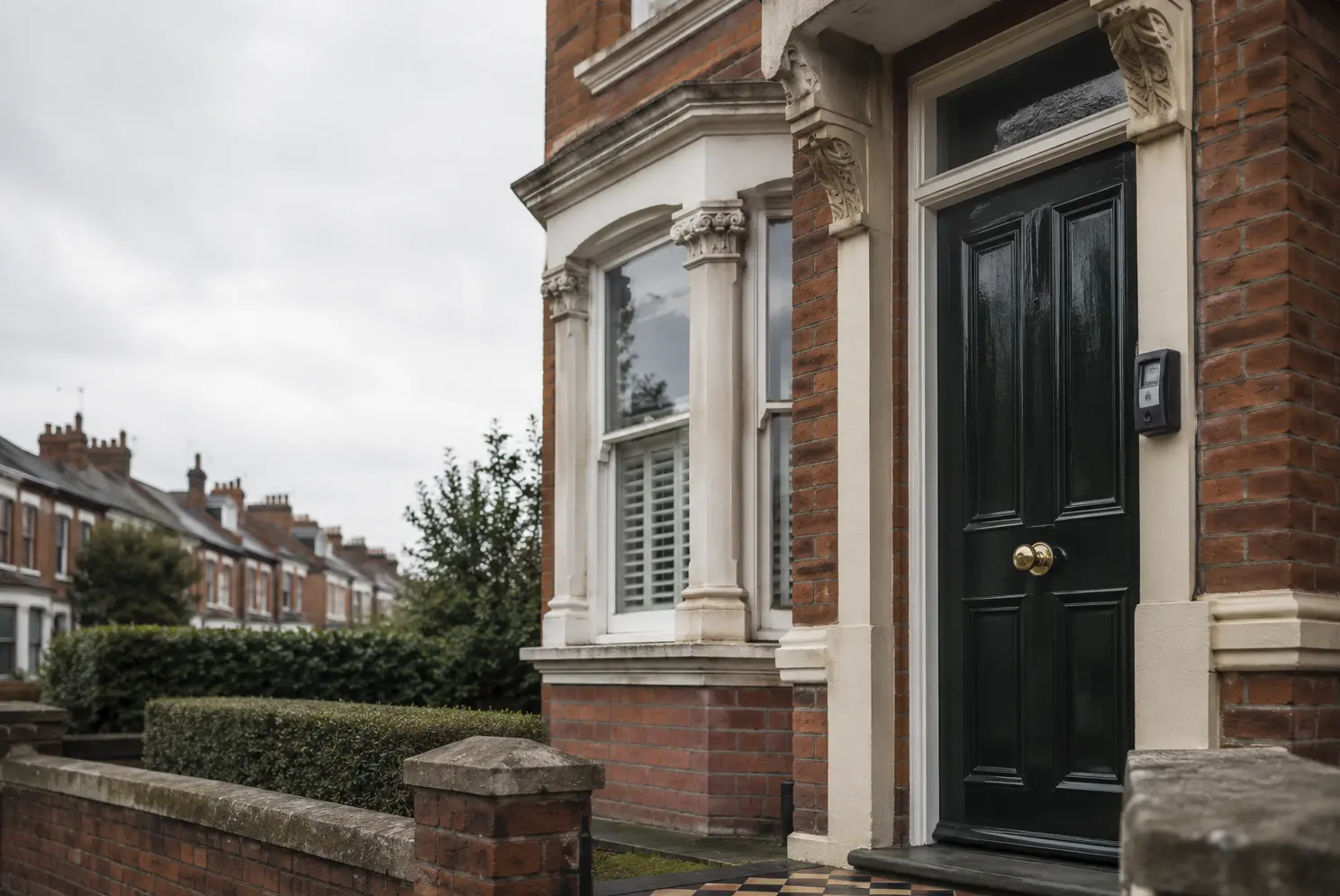
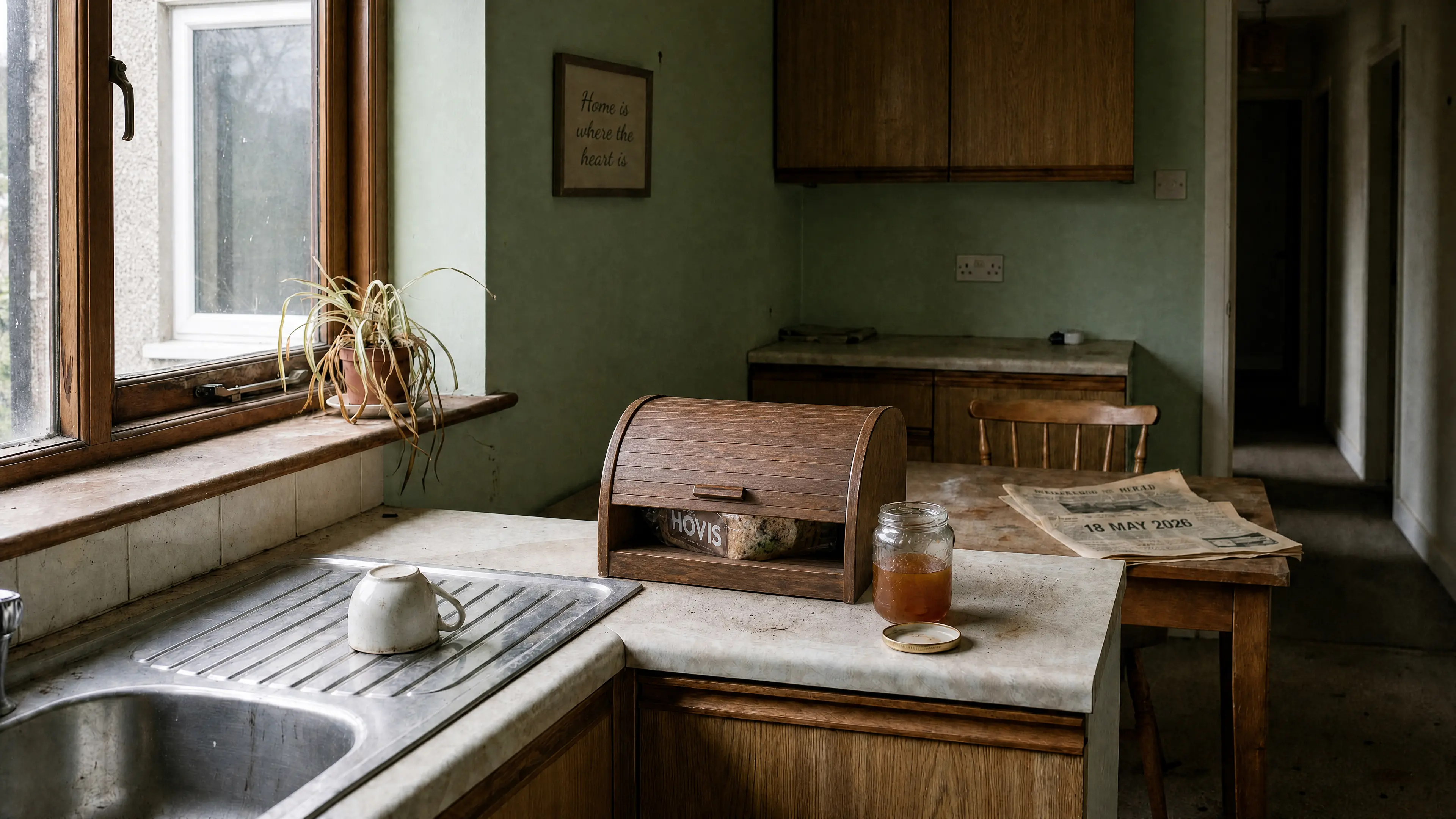
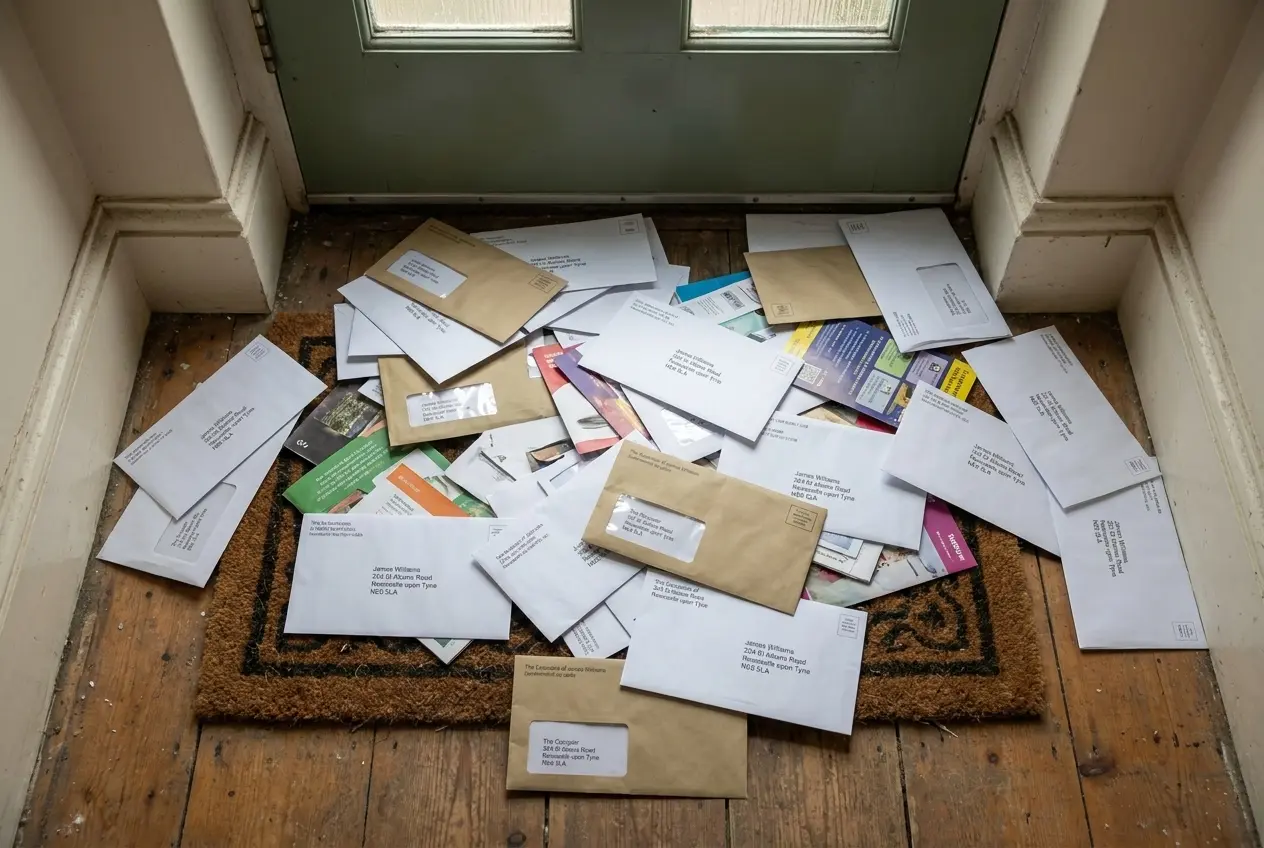
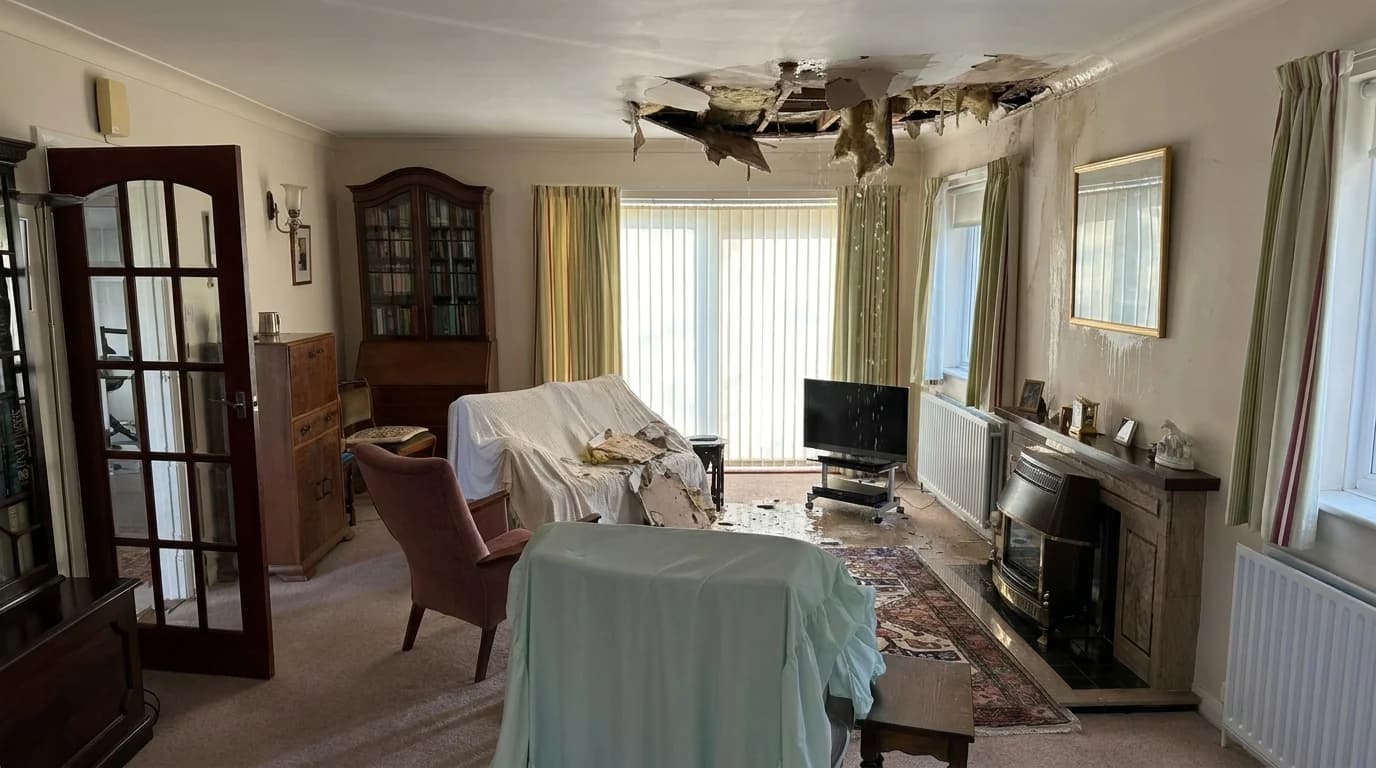
When a borrower stops paying and the file moves to recovery, the house sits in a gap nobody clearly owns. The recovery process is built to manage the debt, not the building.
Expert guidance on probate property, Court of Protection, deputyship, and estate management.

When a borrower stops paying and the file moves to recovery, the house sits in a gap nobody clearly owns. The recovery process is built to manage the debt, not the building.

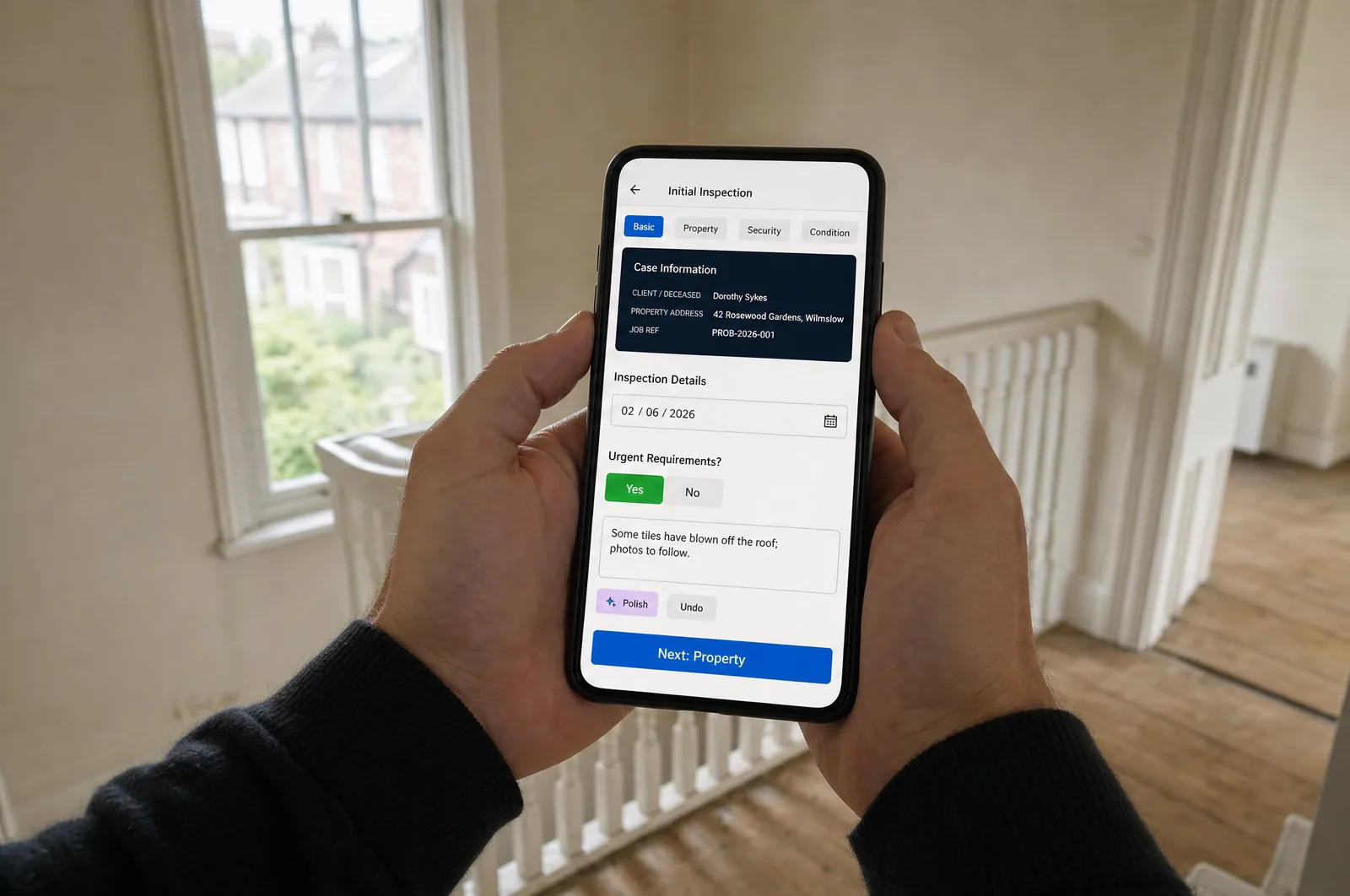
AI is changing what counts as reasonable evidence on a property file. It is not changing who carries the judgement, or the liability. The difference matters for executors, deputies and the firms instructing them.

Four to twelve months sit between a deputyship application going in and the order coming back. The property does not wait.

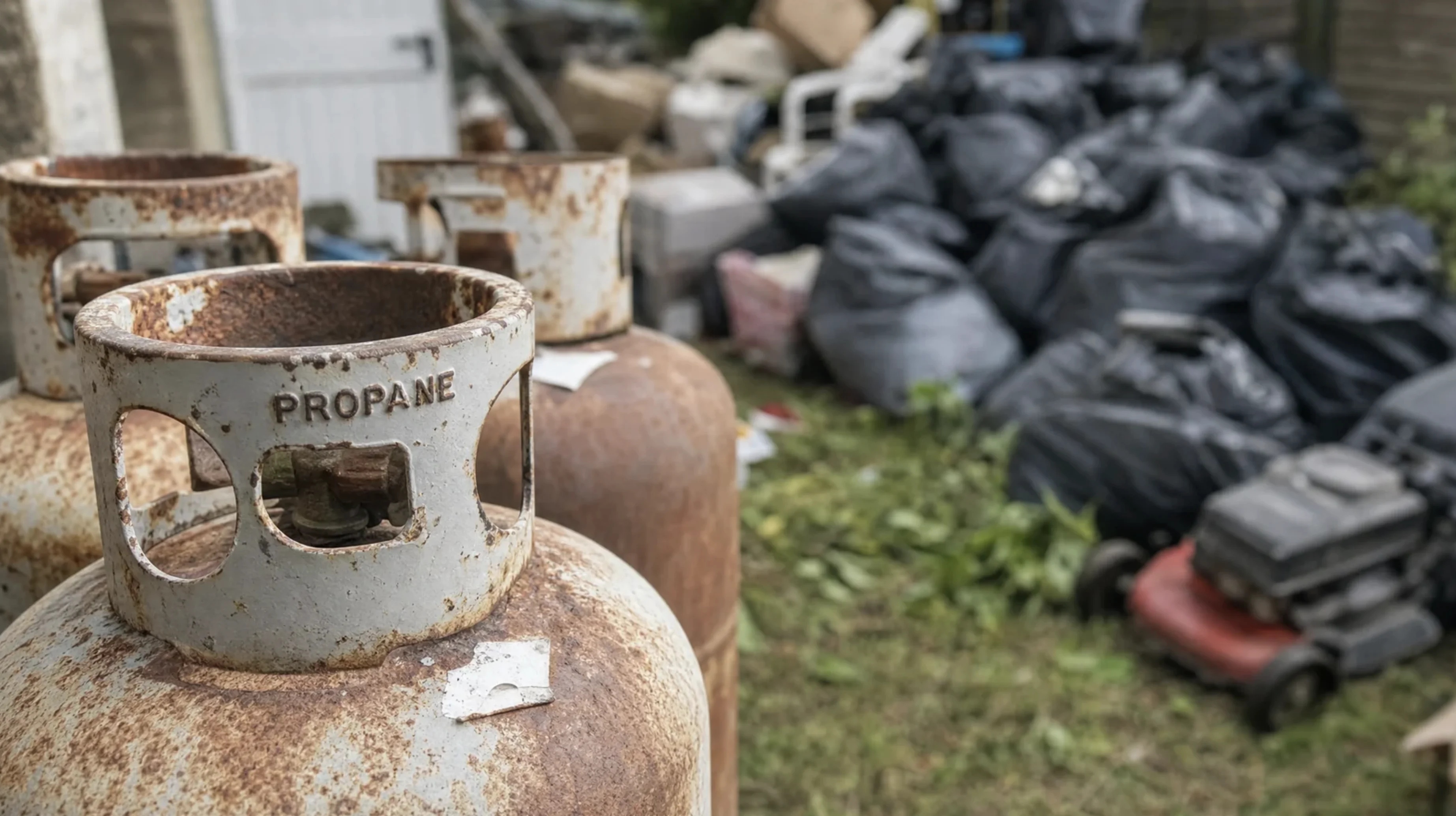
A Court of Protection clearance turns up propane bottles and petrol cans at a property no storage provider will touch. 'Don't dispose of anything' is not a best interests decision when the law of hazardous waste says otherwise.

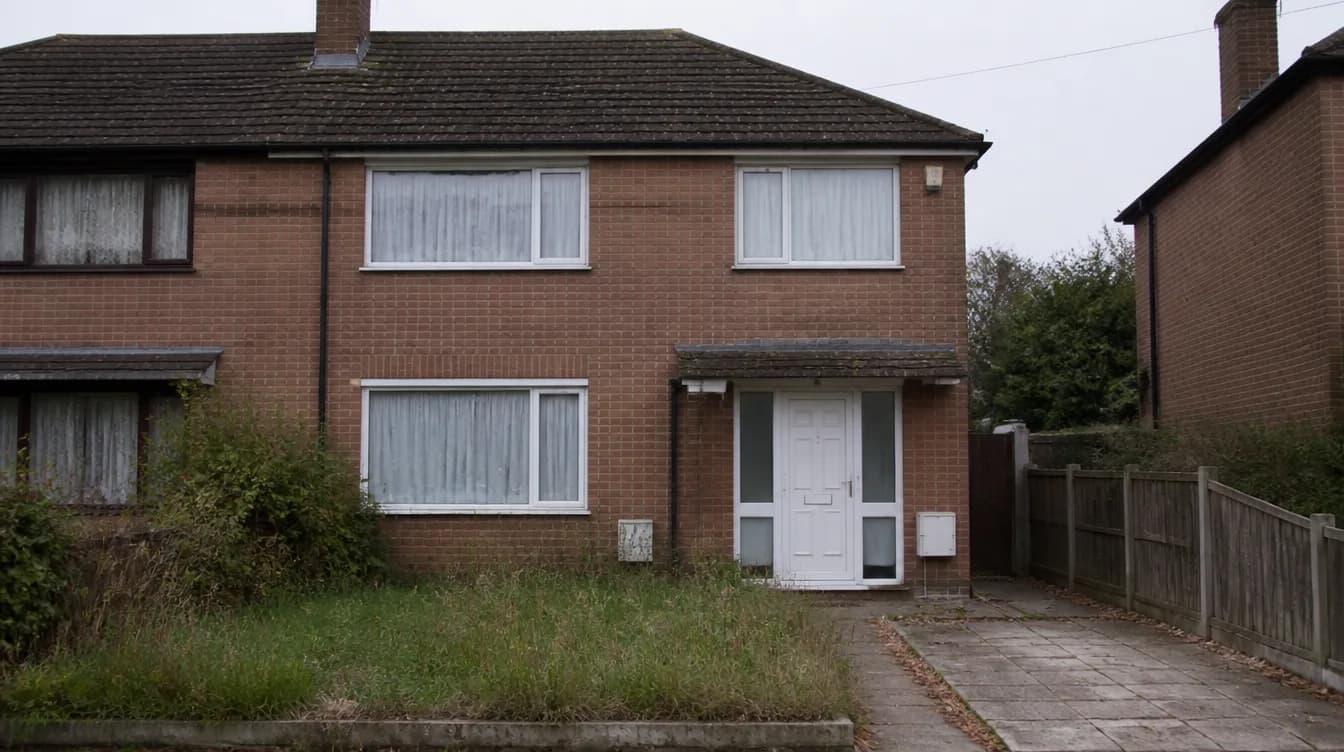
Some of the homes on a council's long-term empties list are empty because the owner will not act. Others are empty because nobody can act yet, and the enforcement toolkit has very little to say about the second kind.

Heir hunters, commissions, and a BBC fraud investigation. The unmanaged property side of the estate is where the image problem gets worse.

Under the Prevention of Damage by Pests Act 1949, the person controlling a vacant property must report substantial rodent activity. For probate estates, that person is the executor.

Empty probate property is the most exposed asset most executors will ever manage. The insurance, council tax and security positions, and what reasonable steps look like in 2026.

What happens when a contractor instructed on a probate property causes damage and walks away? The legal, regulatory and insurance position for executors, deputies, and the firms instructing them.